

Pros and Cons of Low Vision Devices: Which Is Best for Me?
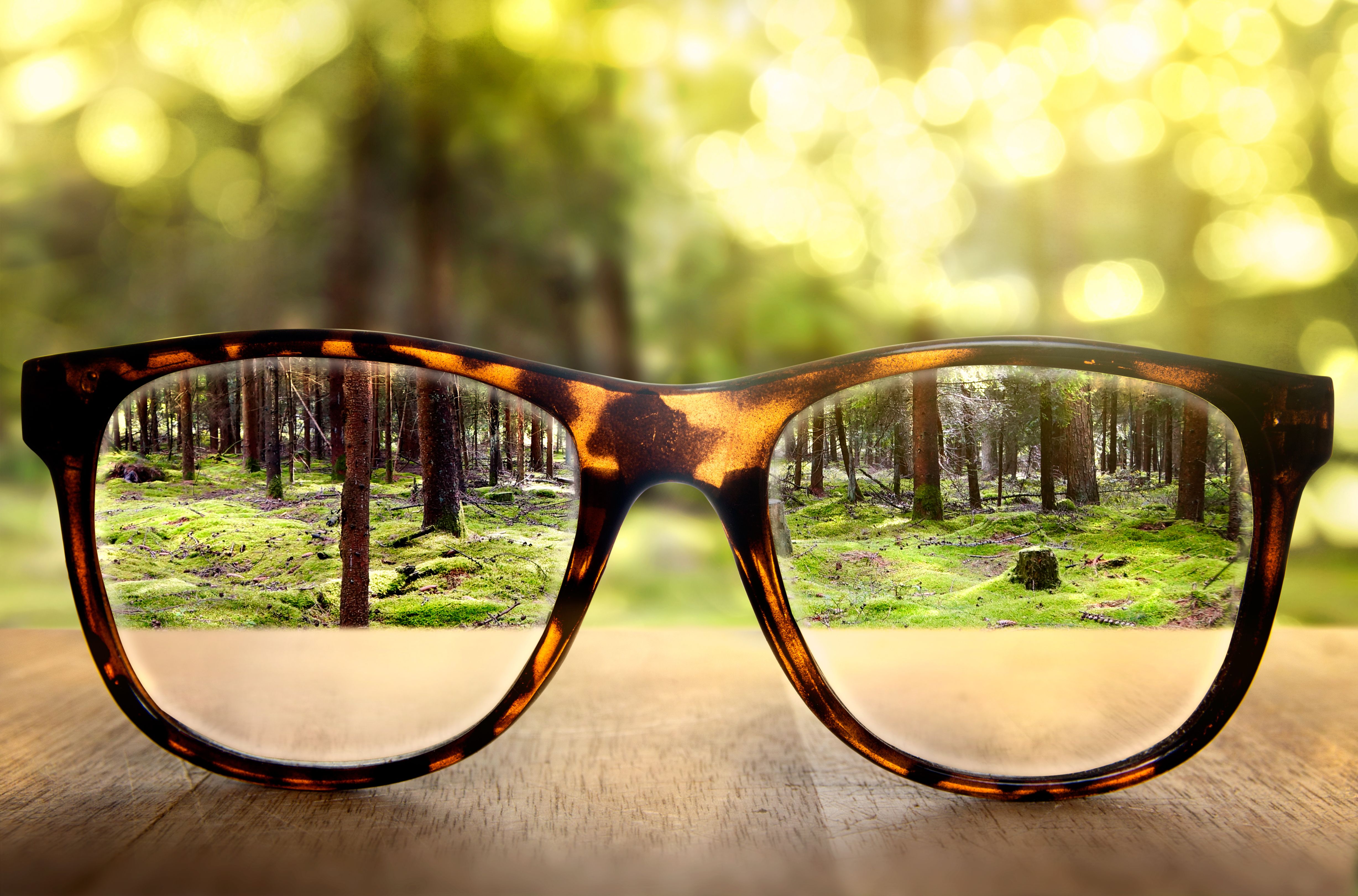
Low vision can make daily activities - like reading, driving, watching television, or recognizing faces - more difficult. While glasses or standard contact lenses may not fully correct vision loss caused by conditions such as macular degeneration, glaucoma, or diabetic eye disease, specialized low vision devices can help you make the most of your remaining sight.
But with several options available, many patients ask: Which low vision device is best for me? The answer depends on your specific needs, lifestyle, and visual goals. At La Mesa Vision Center Optometry, we guide patients through their options to find the right fit.
Magnifiers
Magnifiers are among the most common and accessible low vision tools. They come in handheld, stand, illuminated, and electronic versions and are especially helpful for near tasks like reading mail, menus, medication labels, or price tags.
One of the main benefits of magnifiers is their portability and affordability. Many include built-in lighting to improve contrast, making text easier to see. They are ideal for quick, spot-reading tasks throughout the day.
However, magnifiers require proper positioning and steady hands. Higher magnification reduces the field of view, meaning you see fewer words at once. For extended reading, holding a magnifier can become tiring. While effective for short tasks, they may not be practical for long periods of reading.
Low Vision Glasses
Low vision glasses use high-powered lenses customized to your prescription and visual needs. They are often prescribed for reading, writing, sewing, or other detailed activities.
A major advantage of low vision glasses is that they allow hands-free use, making them more convenient than handheld magnifiers. Because they are tailored to you, they often provide clearer and more comfortable magnification.
The main drawback is the close working distance required. You may need to hold reading material only a few inches from your face, which can feel awkward at first. These glasses are also typically task-specific, meaning you may need separate pairs for different activities.
Telescopes
Telescopic devices are designed to improve distance vision. They can be handheld or mounted onto glasses and are useful for watching television, viewing classroom boards, attending events, or seeing street signs.
Telescopes can significantly enhance clarity at a distance and are helpful for maintaining independence in social or academic settings. Mounted versions are more convenient than handheld models for frequent use.
On the downside, telescopes narrow your field of view, creating a “tunnel vision” effect. They also require training and practice to use effectively. Some patients may feel self-conscious wearing mounted telescopic lenses, although many adapt over time.
Bioptics
Bioptic telescopes are small telescopes mounted onto glasses and are sometimes used for driving, depending on state regulations and patient eligibility.
The benefit of bioptics is that they allow individuals to use their regular lenses for general viewing and briefly look through the telescope portion to see distant details more clearly. For some patients, this can support greater mobility and independence.
However, not everyone qualifies for bioptic use, and specialized evaluation and training are required. Driving regulations vary, and adaptation takes time and commitment.
Specialty Contact Lenses
In certain cases, specialty contact lenses can improve visual clarity for patients with conditions like keratoconus or irregular corneas. These lenses create a smoother optical surface, often providing sharper vision than traditional glasses.
While specialty contacts can improve clarity and contrast, they do not magnify vision in the same way as other low vision devices. They also require proper care, hygiene, and ongoing monitoring to maintain eye health.
Choosing the Right Device
There is no one-size-fits-all solution. The best device depends on your eye condition, the severity of vision loss, and the activities that matter most to you. Many patients benefit from using more than one device - for example, magnifiers for quick reading tasks and telescopes for distance viewing.
A comprehensive low vision evaluation is the most important step. During your visit to La Mesa Vision Center Optometry, we assess your functional vision, discuss your daily challenges, and allow you to try different devices. Proper training and follow-up care ensure you feel confident using your recommended tools.
Discover the Right Low Vision Solution for You
Low vision does not have to mean giving up the activities you enjoy. With the right combination of magnifiers, low vision glasses, telescopes, bioptics, or specialty contact lenses, many patients regain confidence and independence.
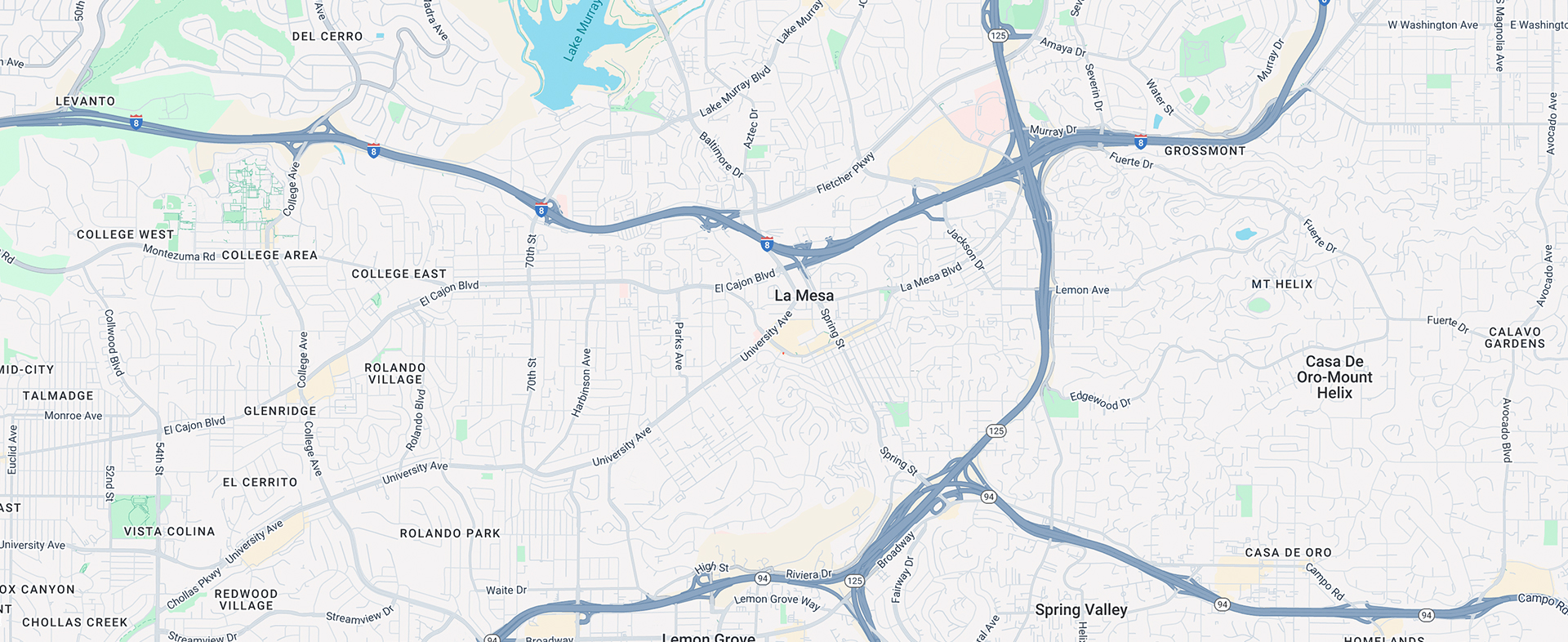
If you are experiencing vision loss, schedule a low vision consultation at La Mesa Vision Center Optometry. Visit our office in La Mesa, California, or call (619) 466-5665 to book an appointment today.
All Eye
Care Services

Keep
In Touch

La Mesa Vision Center Optometry
© 2026 La Mesa Vision Center Optometry. All Rights Reserved. Accessibility Statement - Privacy Policy - Sitemap
