

Why Early Myopia Management Matters
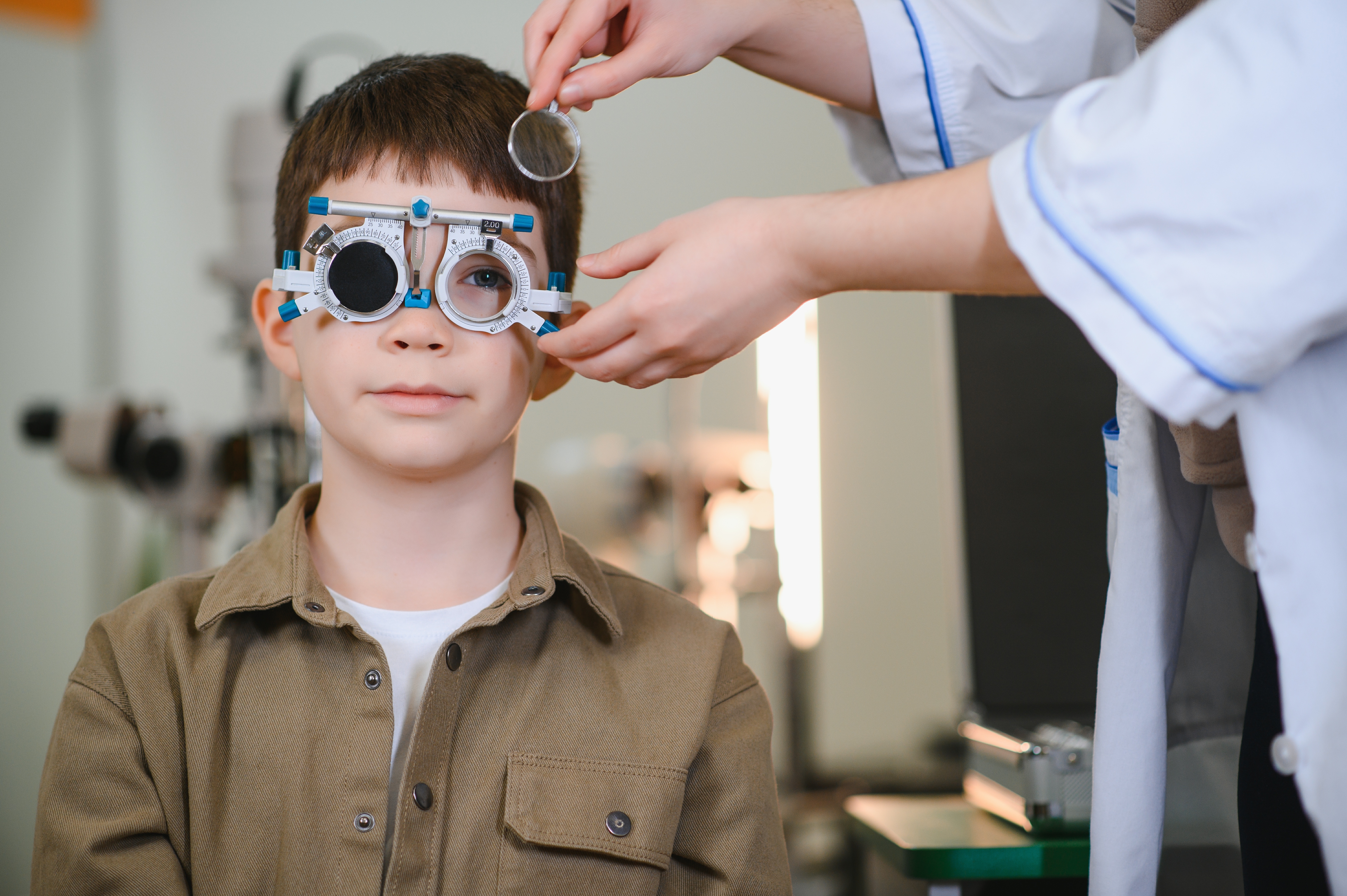
If your child is nearsighted, you may think glasses are all they need. But myopia is more than just blurry distance vision. It often gets worse as kids grow, and starting young can lead to higher levels later. Higher myopia brings real risks. This is why early myopia management is important.
What Is Myopia?
Myopia, or nearsightedness, happens when the eyeball grows too long. Because of this, light focuses in front of the retina, and distant objects look blurry.
Myopia typically begins in childhood and progresses until the late teens or early twenties. Glasses and contacts help your child see clearly, but they do not slow the eye’s growth. This means myopia can keep getting worse even with correction.
Why Myopia Management Matters
- It Keeps the Final Prescription Lower
Myopia often worsens until the eyes stop growing in the late teens. If it starts early, the final prescription can be much higher. Managing myopia early usually means a lower prescription as an adult, which is better for both daily vision and long-term eye health.
- It Lowers the Risk of Serious Eye Disease Later
High myopia means the eye has stretched more than it should. That extra stretch puts tension on the retina and other internal structures. Later, your eyes may develop conditions such as retinal detachment, glaucoma, cataracts, and myopic maculopathy. The more it stretches, the bigger the risk. Slowing it down now helps protect your child’s vision down the road.
- It Means Fewer Prescription Changes
When myopia is managed, the eye grows more slowly each year. Fewer trips to the eye doctor mean less frustration for your child, who can see clearly without constant prescription changes.
- It Protects Vision, Not Just Sight
A child with high myopia might not reach 20/20 vision, even with the best glasses, because the eye has stretched too much. Managing myopia early helps keep their vision as sharp and stable as possible, not just fixable with glasses.
- It Addresses the Real Problem
Regular glasses and contacts fix blurry vision, but they do not slow down eye growth. Myopia management does both. It helps your child see clearly and also signals the eye to slow its growth. This is the difference between just managing symptoms and treating the real problem.
- It Improves Quality of Life During Childhood
A child whose myopia is getting worse quickly may feel frustrated by needing stronger glasses. They might have trouble with sports, outdoor play, or seeing the board at school. Managing myopia early helps keep their vision steady, so they can join in activities without worrying about blurry vision or waiting for new glasses.
- It May Prevent the Need for Stronger Treatments Later
The higher the myopia, the harder it is to treat. Some treatments, such as atropine drops or orthokeratology, work best when started early. If you wait until myopia is high, there may be fewer options. Starting early gives you more choices and better results.
When to Start
The sooner you start, the better. Myopia progresses fastest in younger children. Starting treatment early gives the best chance to keep the final prescription low. Once the eyes stop growing in the late teens, it is too late to slow progression.
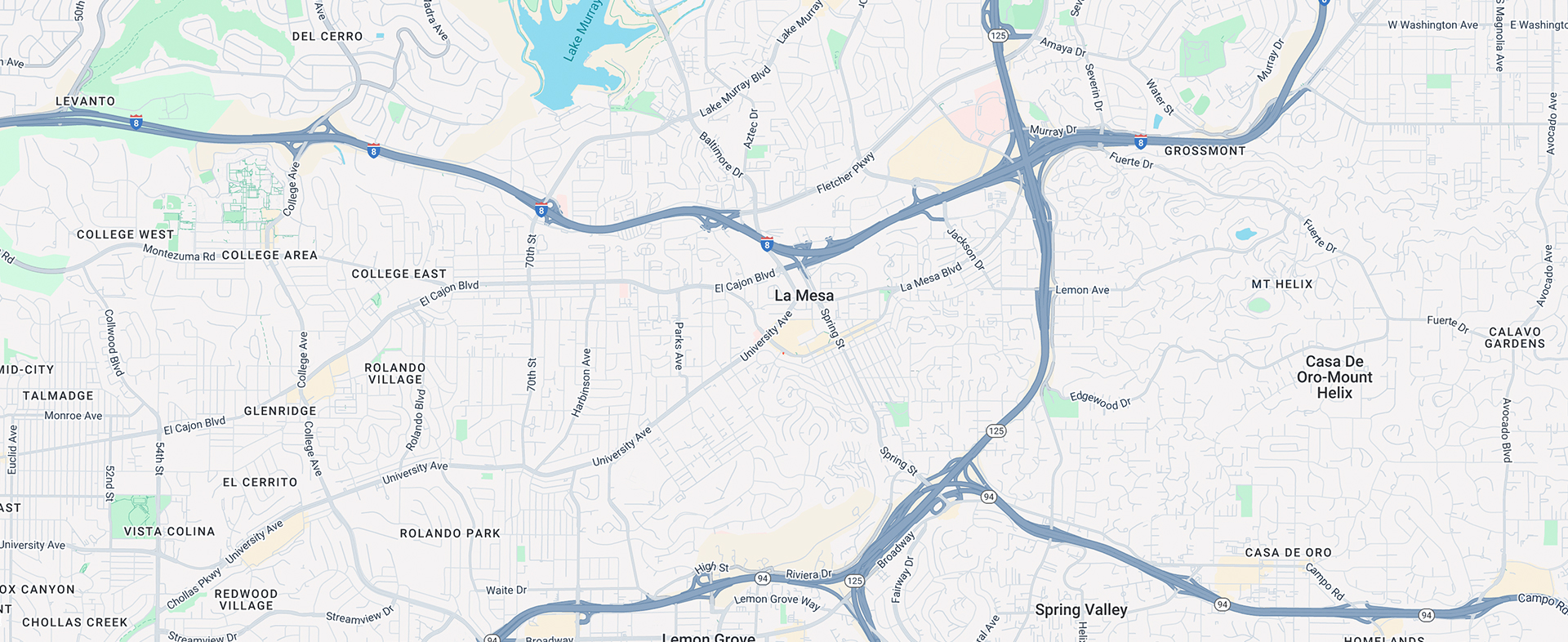
To learn more about myopia management, contact La Mesa Vision Center Optometry in La Mesa, California. Call (619) 466-5665 to schedule an appointment.
https://www.aaojournal.org/article/S0161-6420(21)00326-2/fulltext
All Eye
Care Services

Keep
In Touch

La Mesa Vision Center Optometry
© 2026 La Mesa Vision Center Optometry. All Rights Reserved. Accessibility Statement - Privacy Policy - Sitemap
